Before choosing a floor plan, define your daily needs, discuss the lot with your builder, and establish what the complete project should include. Those three decisions give later design choices a useful point of reference.
1. Start with the way your household lives
A custom home begins with the routines you want it to support. For a household planning a move in Sioux Falls or Tea, that might mean a quieter work space, a kitchen that handles family gatherings, or an entry that keeps shoes, coats, and bags out of the living room.
Write down what works in your current home and what gets in the way. Describe the problem before prescribing a room. “We need somewhere to take a call without interrupting everyone” gives your design team more useful direction than simply adding a room to a wish list.
- Everyday needs: bedrooms, storage, laundry, parking, and the path from the garage to the kitchen.
- Future flexibility: rooms that can change use, guest space, and whether daily activities could stay on one level.
- Personal preferences: natural light, privacy, outdoor connections, and the finishes you want to prioritize.
Separate must-haves from preferences. If a later decision requires a tradeoff, this list helps keep the project focused on what matters most.
2. Consider the lot and the home together
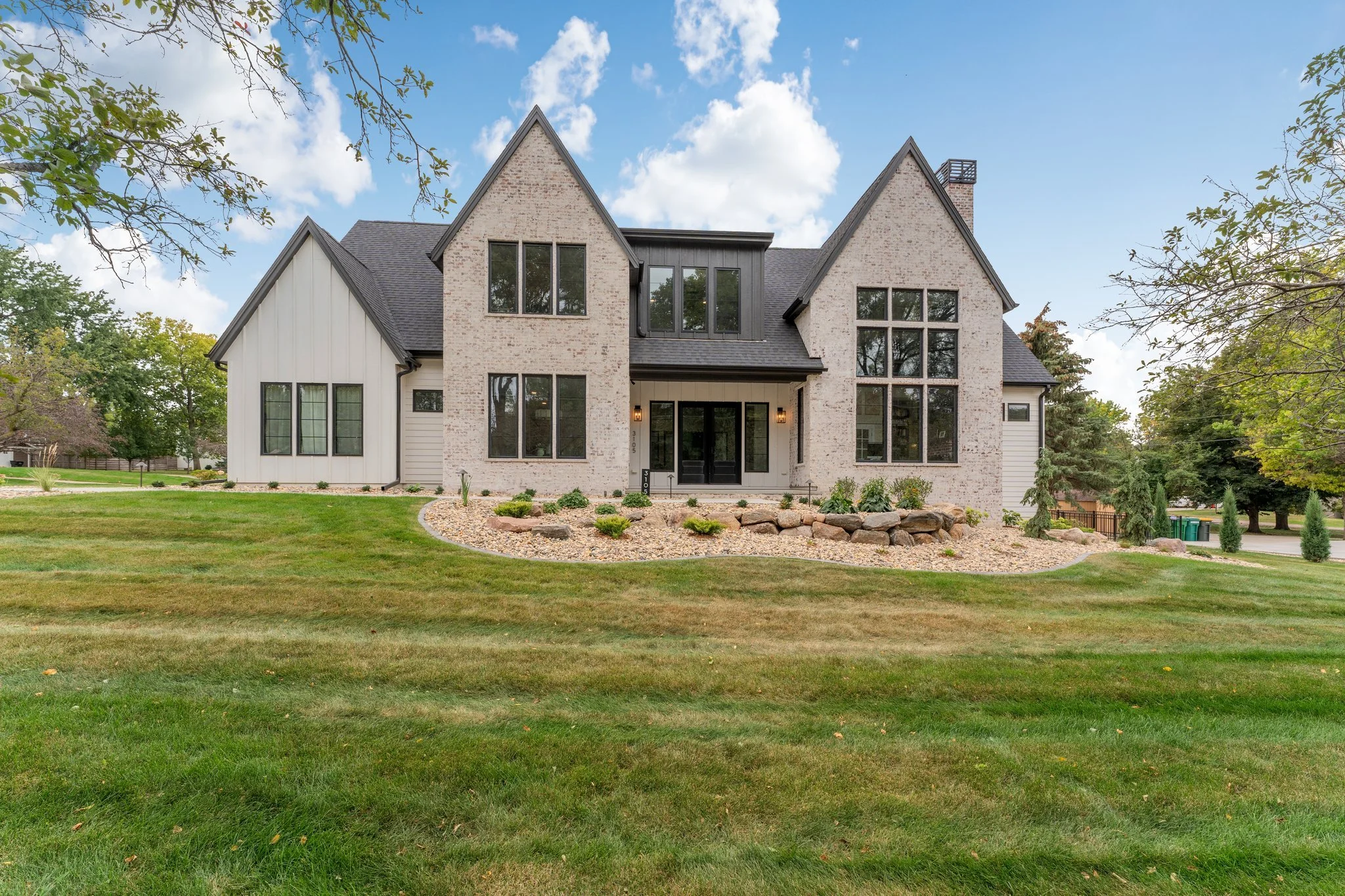
A floor plan should respond to its site. Before committing to a layout for a property in Sioux Falls, Tea, or a surrounding community, ask your builder how the house could sit on the lot and what needs to be investigated.
Talk through slope, drainage, driveway placement, utility connections, views, and the relationship to neighboring homes. Ask which property restrictions and approvals need to be confirmed for the specific address. A property inside city limits and one outside them may involve different authorities; the project team should identify the right contacts before design decisions are finalized.
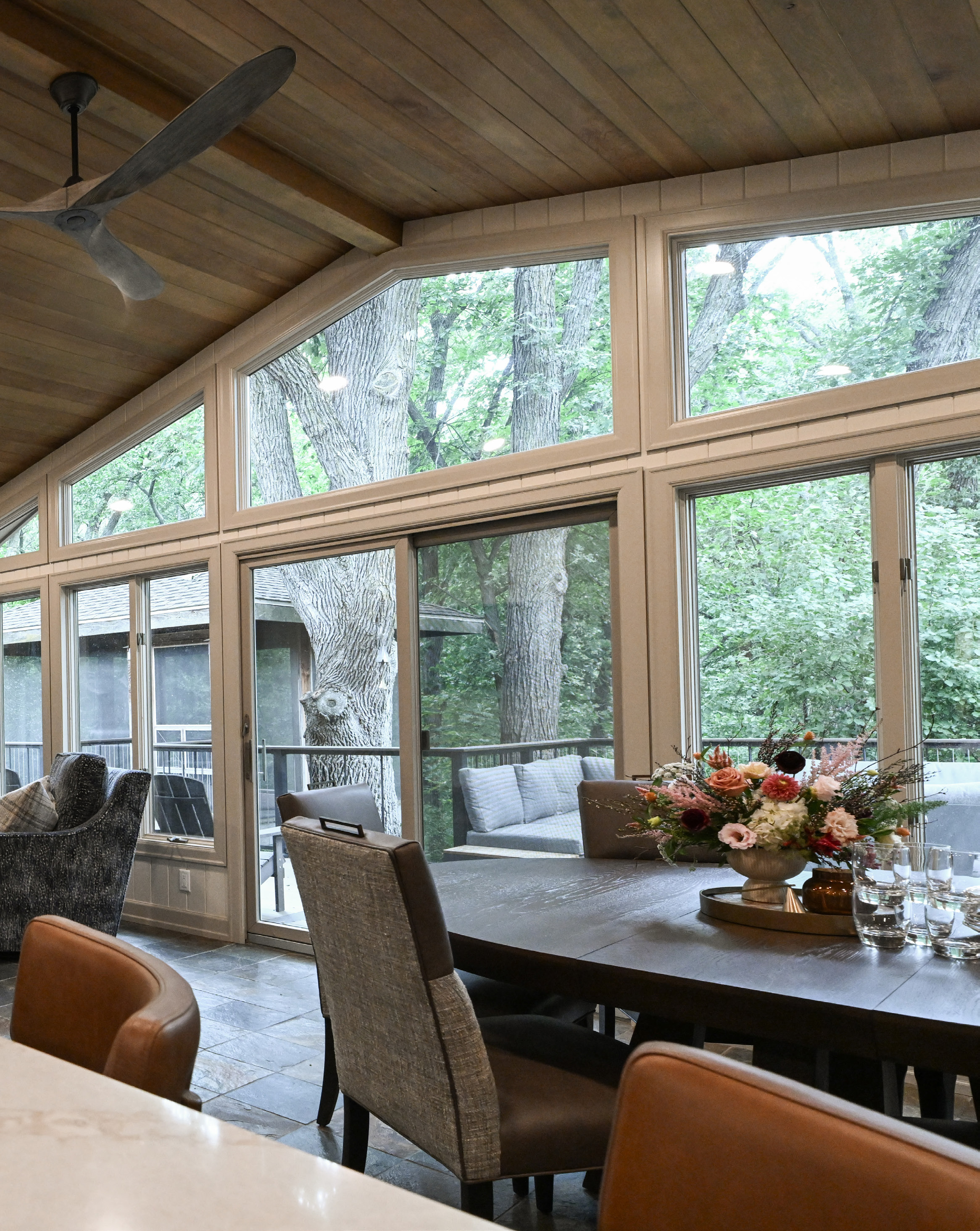
Think about the seasons as part of daily use. Where will wet boots go? How will the entry work when carrying groceries? Which rooms benefit most from daylight? These questions are useful design prompts, not a substitute for evaluating the actual property.
3. Define the whole project before comparing numbers
A useful planning conversation looks beyond the house itself. Ask what is included in the proposed scope and what will be handled separately. Site preparation, utility work, exterior improvements, and finish selections can all affect how proposals compare.
Request clear descriptions of included work, exclusions, and allowances. An allowance is an amount set aside for an item that has not been fully selected; ask how your choices and any related installation work will be reconciled against it. Two proposals with the same total may assume very different selections.
Discuss how changes are documented before work proceeds. A written explanation of the scope, cost, and timing effect gives you something concrete to review. The aim is to understand the choices behind a number, not to rely on a generic price per square foot.
4. Connect layout decisions to finish selections
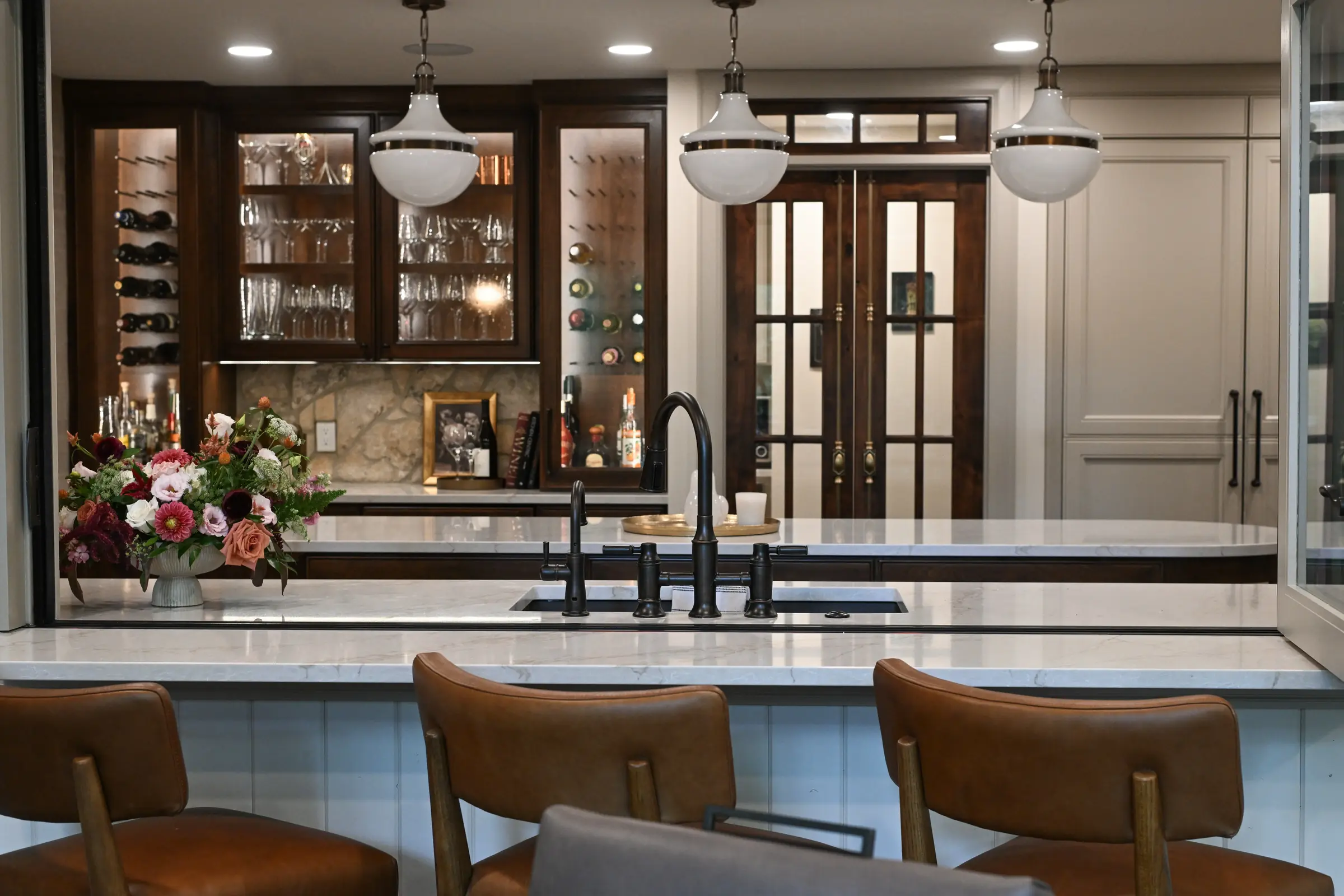
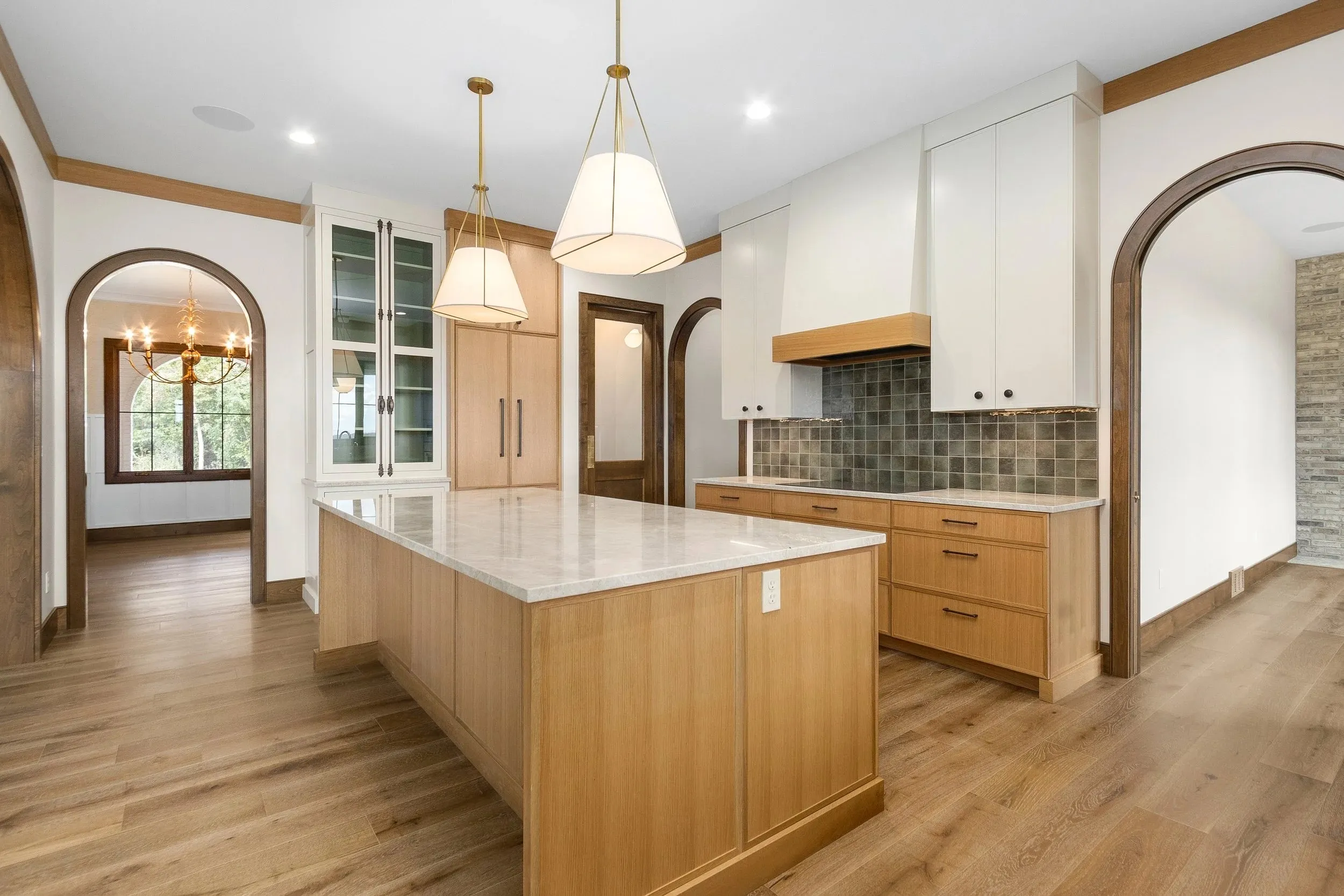
Collect a small set of inspiration images and explain what you like in each one. It may be the cabinet layout rather than the cabinet color, or the window placement rather than the furniture. Clear notes help turn inspiration into decisions that suit your own home.
Ask which selections need to happen first and who will coordinate them. Cabinet plans, lighting locations, plumbing fixtures, and appliance dimensions affect one another. A decision schedule can help everyone work from the same information.
For a look at the company’s approach, read “Built With Pride” by Joseph Cottle. The feature describes Dan Devine’s involvement in drafting meetings, selections, and coordination with homeowners, subcontractors, and interior designers.
5. Bring a short brief to your first conversation
You do not need every answer before contacting a builder. Bring your lot information if you have it, your priorities, a few reference images, your intended project investment, and any timing needs. If you have not selected a property, say so; that is an important part of the conversation.
Pride Built Homes is based in Tea and serves Sioux Falls and surrounding communities. Explore the project portfolio, then request a consultation to discuss your location and goals. If you are still comparing companies, use our builder interview guide to prepare.
Common Questions
Do I need finished plans before talking to a custom home builder?
No. An early conversation can start with priorities, inspiration, and property information. Ask what planning services are available and what information the builder needs to move forward.
Should I choose a lot before choosing a floor plan?
Evaluate them together whenever possible. The site can affect the layout, orientation, driveway, and other project requirements. Discuss a potential lot with your builder before treating a plan as final.